
No More Mistakes with Flour Mill Machine Manufacturer
Mar 11 2023

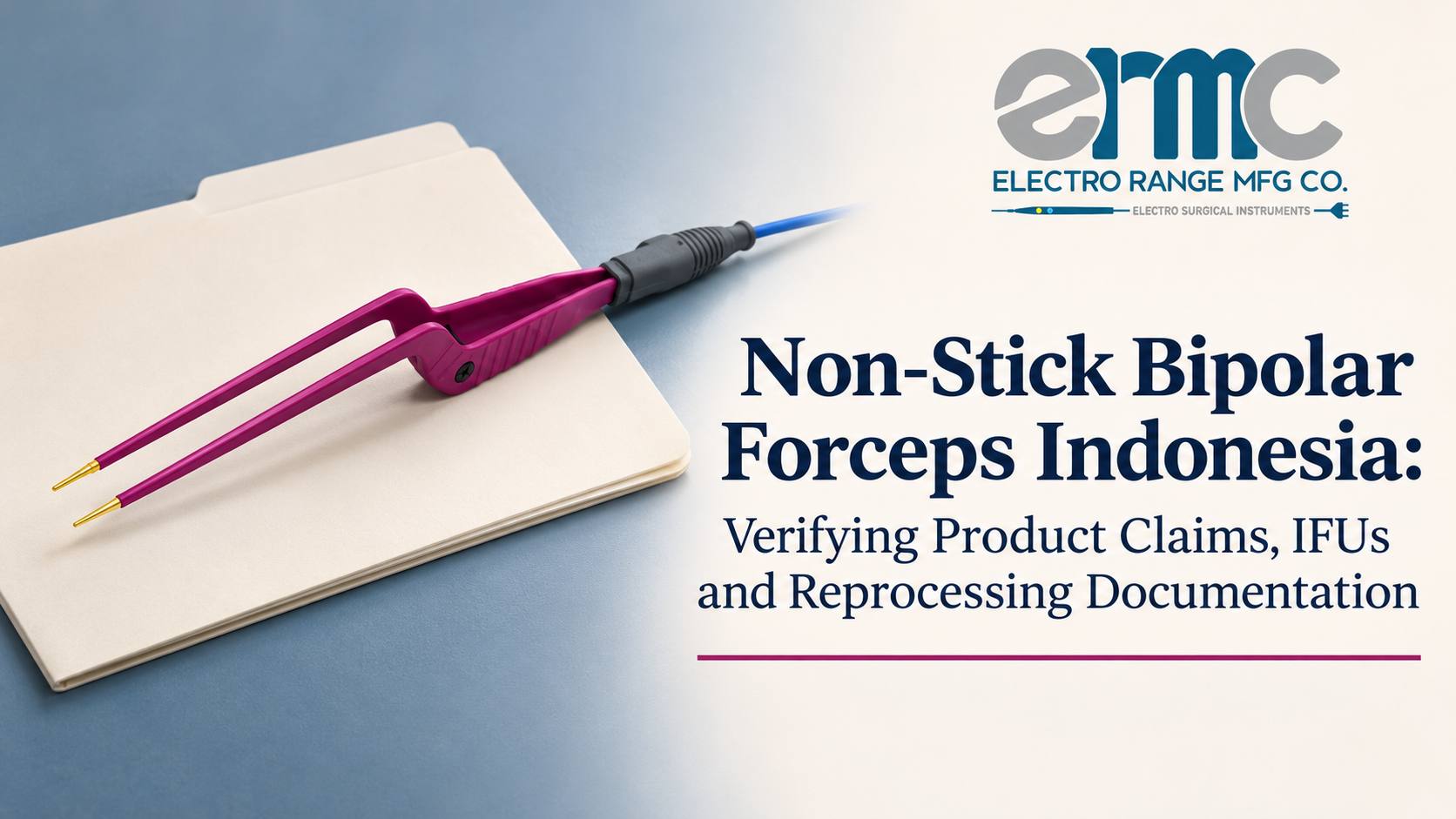
Hospitals and distributors need reliable information before approving surgical instruments. Product descriptions introduce features, while supporting documents explain what each model offers. This matters when evaluating non-stick bipolar forceps. Indonesian buyers should check product claims, instructions and applicable local documentation before purchase.
Documentation helps buyers identify a product, understand its intended use and assess supplier information. It also supports communication between manufacturers, importers, distributors and hospitals.
A technical datasheet identifies dimensions, materials and configurations. The Instructions for Use (IFU) explain the manufacturer's directions and limitations. Labels identify the supplied model and relevant handling information. Review these sources together rather than relying on a product description alone.
Manufacturers should provide accurate information for supplied models. Importers and distributors should confirm local requirements and maintain relevant records. Hospitals should check that delivered products match approved specifications. This process supports traceability when questions arise.
Non-Stick Bipolar Forceps Indonesia describes a product category, but it does not confirm one material or performance result. Manufacturers may use different materials, coatings or surface treatments. Buyers should identify what the term means for the exact model.
Ask what material forms the working tips. Some products use alloy-based designs, while others may use coatings or surface treatments. These approaches differ. A silver-coloured tip does not confirm silver content. Request a datasheet or suitable material declaration when composition matters.
Ask whether the claimed feature covers the complete working end. If a supplier claims reduced tissue adhesion, request supporting product information. Do not interpret “non-stick” as a promise that adhesion can never occur.
Compare advertised features with the current datasheet. Check the model number, tip dimensions, instrument length, material and connector configuration. Ensure the quotation and datasheet identify the same product. Request clarification before approving any model-reference mismatch.
Photographs can help identify a design, but cannot confirm material or dimensions. Request written specifications and retain the version reviewed during purchasing.
Request the technical datasheet, applicable IFU, label details and relevant declarations. For specific material or technology claims, ask for supporting evidence. Check the document date, product reference and scope. A general company brochure may not answer model-specific questions.
The IFU explains the product's intended use and handling requirements. Obtain the current version for the exact model, not a similar instrument.
Review the intended purpose, operating directions, warnings and limitations. Confirm compatible components and required connections. If a product requires a particular cable or generator configuration, verify it in the relevant documentation.
Similar forceps may have different instructions. Ask the manufacturer or authorised supplier to resolve unclear information before introduction.
Check preparation, handling, storage and inspection directions. Confirm whether the product is single-use or reusable. Review sterile status and expiry details where applicable. Follow the label and facility procedures if packaging is damaged or identification is unclear.
Reprocessing applies to products identified as reusable. The exact IFU and facility's validated procedures should guide staff. Do not assume every instrument follows the same process.
Review the stated cleaning method, detergents, water quality and required disassembly. Follow validated facility procedures. A generic protocol should not replace product-specific directions.
Confirm the permitted sterilisation method and stated parameters. The hospital should use a validated process suitable for the instrument. Do not assume a method used for another model is appropriate.
Review the manufacturer's inspection directions. Checks may include visible damage, tip alignment, insulation and connector condition. Follow stated criteria and facility procedures. Ask how repair and replacement questions should be handled.
Quality records help buyers understand how a product is identified and controlled. Request records relevant to the model under consideration.
Check the manufacturer, product reference and batch or lot information where applicable. Confirm labels and documents are consistent. Traceability details help suppliers investigate product questions. Retain relevant purchasing and receiving records.
Ask how approved specifications are controlled and changes are managed. Where appropriate, request information about inspection and nonconformity processes. Confirm how revised models or configurations are communicated. Review changes before accepting a product that differs from approval.
Indonesian importers and distributors should confirm requirements for each device. These depend on factors such as product classification and the local business's role. Overseas certificates do not automatically authorise distribution in Indonesia.
Ask the local importer or authorised distributor to confirm applicable registration and distribution authorisations. Check that product and manufacturer details match relevant records. Confirm the scope and validity through the responsible local party.
Compare the product name, model, manufacturer and intended use across labels, IFUs and regulatory documents. Resolve differences before purchase. Seek current guidance from the relevant Indonesian authority or a qualified local adviser when needed.
Ask direct questions and keep the answers with the product file.
What materials or surface treatments are used?
Which documents support the non-stick description?
Is the instrument single-use or reusable?
Which IFU applies to the exact model?
What reprocessing instructions apply, if reusable?
How are model changes and batch details communicated?
Which Indonesian authorisations apply?
Compare suppliers using model-specific answers. Avoid general statements that do not address the actual product.
Electro Range MFG Co. is an electrosurgical instrument manufacturer based in Sialkot, Pakistan. Indonesian buyers can discuss product specifications and available documentation. Enquiries should identify the required model and evaluation needs.
For product details, review the company's non-stick bipolar forceps specifications in Indonesia page.
An IFU is the manufacturer's Instructions for Use. It explains intended use, directions, precautions and relevant handling information. Use the current IFU for the exact model.
Different products may use different materials or surface technologies. Verification helps buyers understand the actual design and avoid assumptions based on names or photographs.
Yes. Follow the product-specific IFU and the facility's validated cleaning and sterilisation procedures. Requirements can differ between models.
Request the technical datasheet, applicable IFU, product label details and relevant quality or regulatory documents. Confirm each document matches the product reference.
Review specifications, IFUs, traceability information and applicable local documents before approval. This helps Indonesian distributors and hospitals make clearer sourcing decisions.
Contact Electro Range MFG Co. to discuss non-stick bipolar forceps requirements. Share the model, configuration and documentation questions to begin a focused enquiry.

Social Media Marketing Strategies for Beginners
Mar 14 2023





(0) Comments