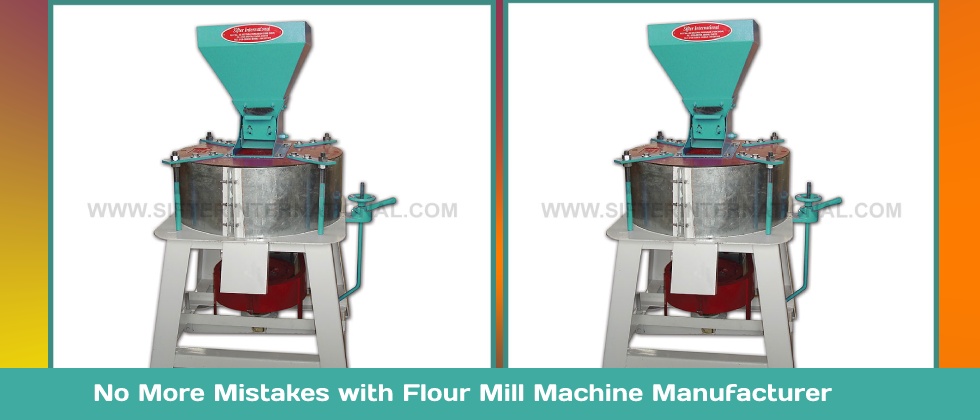
No More Mistakes with Flour Mill Machine Manufacturer
Mar 11 2023

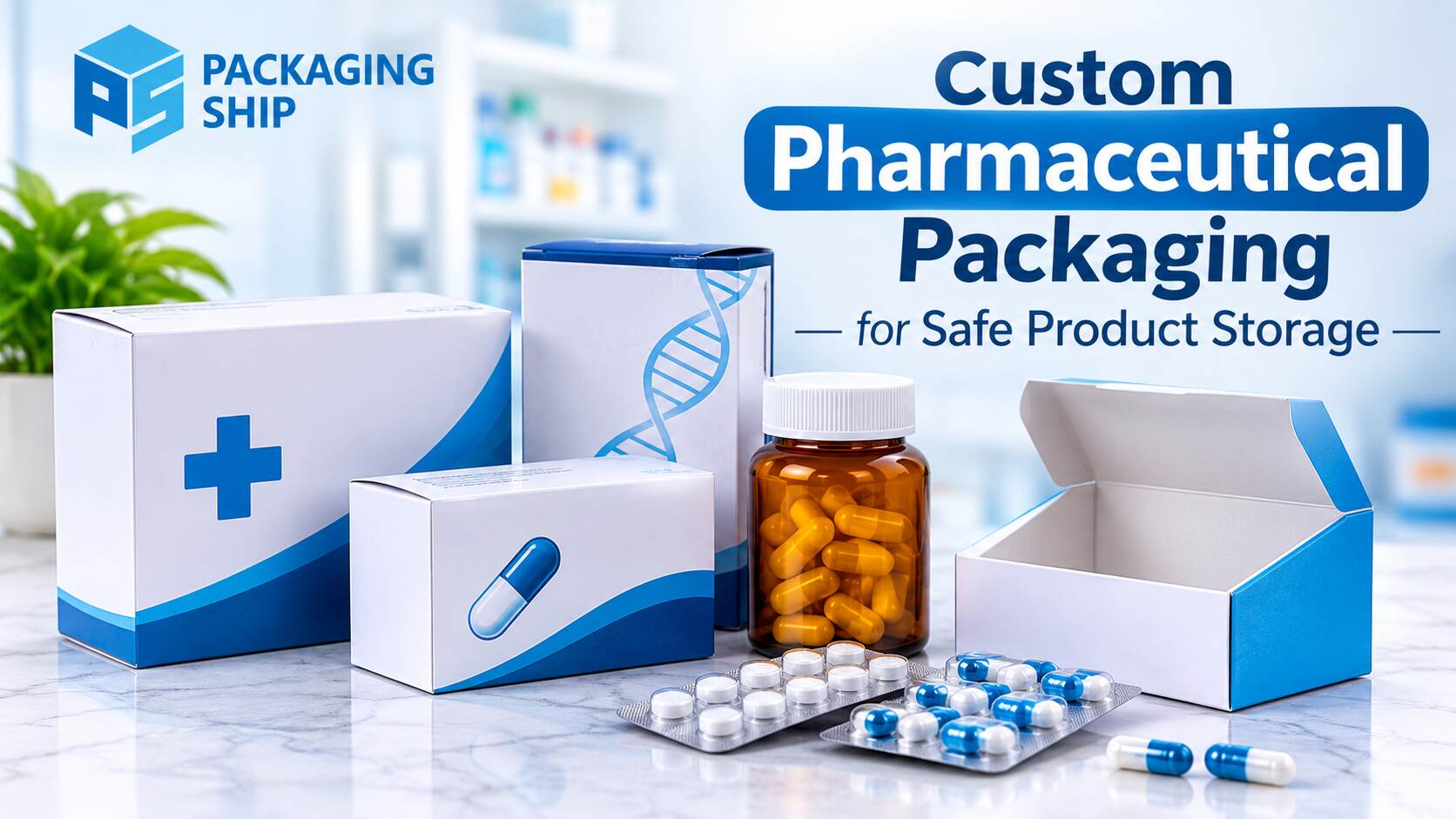
Custom pharmaceutical packaging keeps medicines, vitamins, and health products safe by protecting them from moisture, light, damage, and tampering until they reach the patient. The right design also carries clear labels, dosage details, and your brand. If you’re planning a project, you can look at custom pharmaceutical packaging from Packaging Ship and use this guide to understand what to check first.
Custom pharmaceutical packaging is packaging built to hold healthcare products, such as pill bottles, blister packs, tubes, vials, or sachets, in a box or pouch sized to the exact product. It’s designed to protect the contents, show required information, and make the product easy to store and use.
You’ll commonly see it used for:
Pharmacies, clinics, wellness brands, and health startups all use it, though the rules they follow can differ depending on the product.
It does more than hold a product. Packaging protects the medicine’s quality, keeps information in front of the patient, and helps prevent mistakes at home. A weak box that crushes, leaks, or fades can put the product’s safety and your reputation at risk.
Medicines and health products in the US are regulated, and the packaging must meet the rules that apply to your specific product. Because the details vary, always confirm requirements with your regulatory advisor before you finalize a design.
A few areas that often come up:
These requirements are specific and they change, so treat this list as a starting point rather than legal advice. Your regulatory consultant or quality team should have the final say.
In most cases, the brand or manufacturer is responsible for making sure the finished package meets the rules. A packaging supplier can build to your specifications and suggest materials, but you should confirm any compliance requirements with the supplier in writing and with your own regulatory team.
The main options are folding cartons, tuck boxes, rigid boxes, pouches, and barrier bags. The right one depends on the product format, how it’s stored, and whether it sells on a shelf or ships to a patient.
| Packaging Type | Best For | Strength | Watch Out For |
|---|---|---|---|
| Folding carton | Bottles, blister packs, tubes | Prints well, ships flat | Needs a barrier for moisture-sensitive items |
| Tuck box | Small vials, droppers, travel packs | Compact, easy to open | Add a seal if tamper evidence is needed |
| Rigid box | Premium wellness kits, gift sets | Sturdy, reusable | Higher cost, more storage space |
| Mylar bag | Powders, supplements, moisture-sensitive goods | Strong barrier against air and moisture | Not a replacement for rated child-resistant closures |
| Mailer box | Mail-order refills, subscription health boxes | Protects in transit | Keep medicine in an inner pack as well |
Usually a carton is the outer layer, and the medicine sits in a primary container such as a bottle, blister, or tube. The carton adds protection, space for labeling, and branding, but the inner container handles the direct contact with the product. If your product needs special protection, discuss that with your supplier early.
Paperboard, kraft board, rigid board, and barrier films are the most common choices for outer packaging. The best material depends on how sensitive the product is and how it’s handled.
For anything that touches the product directly, ask your supplier whether the material and any coating are appropriate for pharmaceutical or supplement use.
Good pharmaceutical design is clear first and attractive second. People need to read the name, dosage, and warnings without effort.
Design points that matter:
Matte finishes cut glare and look professional, while gloss can make colors pop. Choose based on your brand and how well the text stays readable.
Yes, premium finishes like foil stamping, embossing, or spot UV can add a polished look, mostly for wellness and cosmetic-adjacent health brands. Keep key information printed plainly, and don’t let decoration make required text harder to read.
Protect the product with a snug fit, a sturdy outer box, and inserts where needed. Heat, moisture, and rough handling are the biggest risks for health products in transit.
Practical steps:
For items shipped to patients, put the medicine inside the carton first, then place the carton in a sturdy mailer so it arrives clean and undamaged.
Pricing depends on the box type, size, material, print detail, finishes, and quantity, so there’s no single number. As a rough guide, simple printed cartons often cost under a dollar each at moderate volumes, while rigid boxes and special finishes cost more.
| Cost Factor | Effect on Price |
|---|---|
| Order quantity | Larger runs lower the price per unit |
| Material and thickness | Rigid and barrier materials cost more |
| Print colors | More colors increase cost |
| Finishes (foil, embossing, spot UV) | Each finish adds to the total |
| Inserts | Add a small cost per unit |
| Shipping | Included shipping lowers your total |
Ask for an itemized quote that includes setup fees and delivery, so you know the full cost before you approve anything.
Look for a supplier who listens to your specifications, offers a proof, and communicates clearly about what they can and can’t confirm. Health products leave little room for guesswork.
Questions to ask:
Packaging Ship is a US-based custom packaging company in Valley Stream, New York, producing tuck boxes, folding cartons, rigid boxes, mailer boxes, mylar bags, food packaging, and cosmetic boxes to order. They offer free design support, free shipping, and wholesale pricing without needlessly high minimums. Before you order for a regulated product, confirm your specific compliance needs with the supplier and with your regulatory team.
What is custom pharmaceutical packaging?
It’s packaging made to fit a specific health product, such as a medicine, vitamin, or supplement, and protect it during storage and shipping. It also carries labels, directions, and branding.
Does pharmaceutical packaging need to be tamper-evident?
The FDA requires tamper-evident packaging for most over-the-counter human drug products. Requirements depend on the product, so confirm them with your regulatory advisor.
What is child-resistant packaging?
It’s packaging that’s hard for young children to open but still usable for adults. The Poison Prevention Packaging Act requires it for many oral prescription drugs and certain other products.
How much does custom pharmaceutical packaging cost?
It depends on the box type, size, material, printing, and quantity. Larger orders and simple designs lower the price, and an itemized quote shows the full cost.
What is the minimum order quantity for custom pharmaceutical boxes?
It varies by supplier, and many custom orders start somewhere between 100 and 500 units. Confirm the number before you finalize your design.
How long does it take to get custom pharmaceutical boxes?
Production and shipping usually take two to four weeks, depending on quantity, material, and finishes. Allow extra time for proof approvals and label reviews.
Where can I order custom pharmaceutical packaging in the USA?
US-based suppliers such as Packaging Ship make custom boxes, tuck boxes, and mylar bags with free design support and free shipping. Ask for a sample and confirm any compliance needs before placing a large order.

Social Media Marketing Strategies for Beginners
Mar 14 2023




(0) Comments