
No More Mistakes with Flour Mill Machine Manufacturer
Mar 11 2023

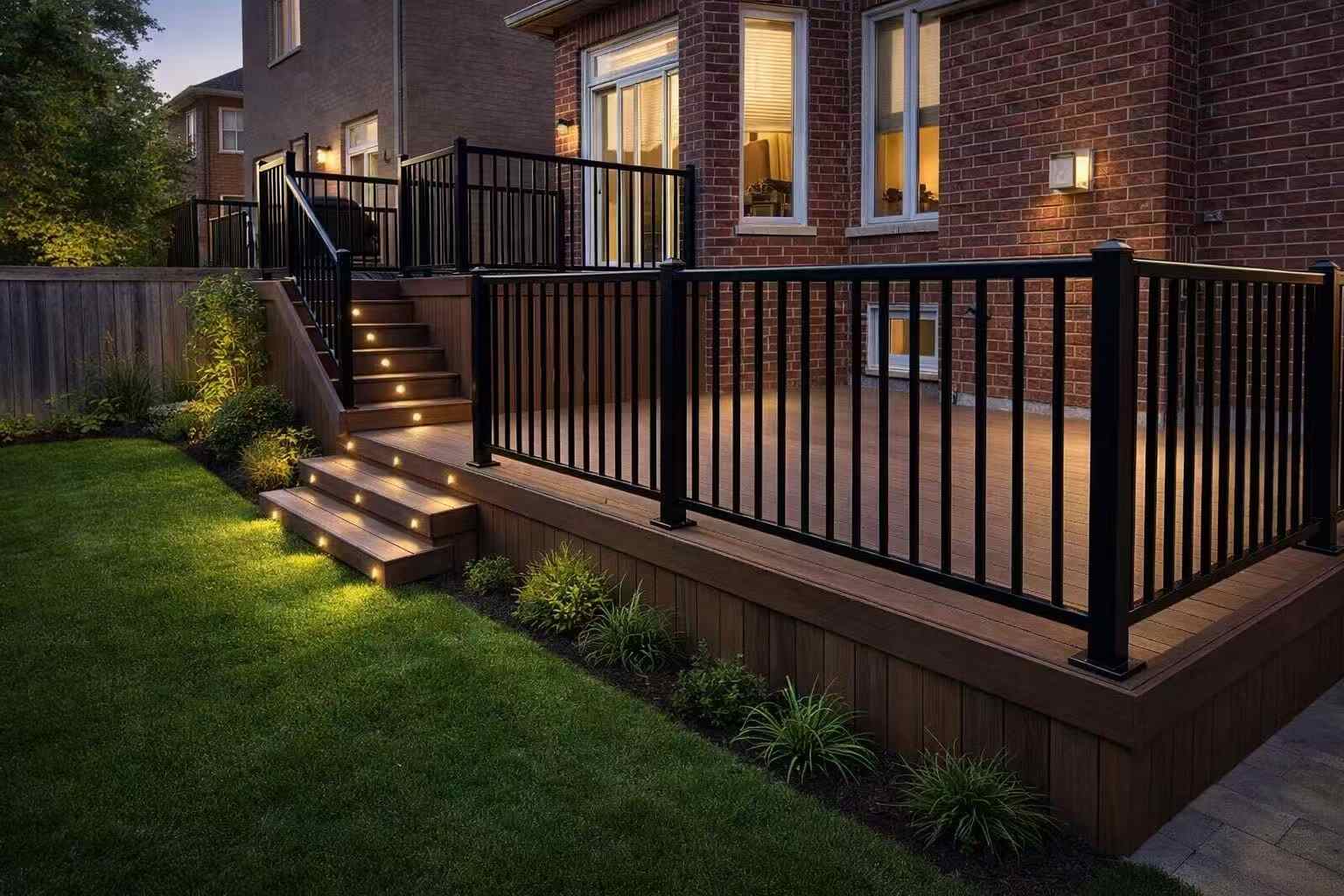
The challenge is making the area practical enough to handle changing weather, different routines, and seasonal maintenance without turning every change in temperature into a reason to stop using it.
For homeowners in North York, that usually means thinking beyond furniture and finishes. Shade, drainage, storage, lighting, access, and layout all play a role in how often the backyard actually gets used.
Not every part of the yard needs to work equally hard.
Most households naturally use one or two areas more than the rest. That might be the deck, a dining area, a barbecue zone, or a small seating space close to the house.
Those areas should get the most attention first.
If the main gathering space is inconvenient, exposed, or difficult to access, adding more features elsewhere will not fix the problem.
It is often better to improve the most-used section of the yard properly before expanding into other areas.
Outdoor spaces are used more often when getting outside feels simple.
If the main seating area is close to the kitchen or family room, it becomes easier to carry food, drinks, cushions, or other items back and forth.
That matters even more when the weather is changing.
A long walk across wet grass or an awkward route around furniture can make a backyard less appealing during spring and fall.
Keeping the main activity area reasonably close to the house can make everyday use much easier.
Shade and shelter solve different problems.
Shade helps with direct sun and heat. Shelter helps with rain and changing weather.
Some homeowners only think about one of the two.
An umbrella may provide enough shade for a dining table, but it may not help much during light rain. A pergola or covered section can create more protection, but only if it is positioned where people actually spend time.
The right solution depends on how the space is used.
There is no need to cover the entire backyard. Protecting the main seating or dining area is often enough.
A deck can become the most-used part of the backyard, but only if the layout is practical.
The size should match the furniture and activities planned for it. The stairs should lead somewhere useful. The barbecue should not block the main path.
It is also worth considering how the deck connects to the rest of the yard.
Homeowners looking into professional deck construction in North York may want to think through access, furniture placement, shade, and long-term maintenance before deciding on the final layout.
A deck that works well in everyday life is usually more valuable than one designed mainly around appearance.
Water can make an outdoor area difficult to use long after the rain stops.
Low spots, poorly placed furniture, or surfaces that do not drain well can leave parts of the backyard muddy or uncomfortable.
Before adding new seating, storage, or landscaping, pay attention to where water tends to collect.
Even small drainage problems can become frustrating when they affect the main walking route or seating area.
The goal is not to make the yard completely weatherproof. It is to avoid obvious problem areas that prevent normal use.
Seasonal outdoor spaces usually come with seasonal clutter.
Cushions, gardening tools, outdoor toys, barbecue accessories, and decorative items all need somewhere to go.
If storage is too far away, those items often end up piled beside the house or left outside longer than they should be.
A storage bench, outdoor cabinet, shed, or designated garage area can all work.
What matters most is convenience.
Storage that is easy to reach is much more likely to be used regularly.
Shorter days can make a backyard feel unusable surprisingly early.
That is where lighting becomes important.
Start with steps, doors, pathways, and any areas where people prepare food or move between levels.
After that, add softer lighting around seating areas.
The goal should not be to flood the yard with light. A few well-placed fixtures are usually more comfortable and more useful.
Good lighting can extend the time a backyard feels practical without making it feel overly bright.
Furniture that works well in one season may become inconvenient in another.
Large fixed arrangements can be difficult to move, cover, or store.
Smaller chairs, modular seating, folding tables, and stackable pieces give homeowners more flexibility.
They can be rearranged when guests visit and moved when the weather changes.
That flexibility is especially useful in smaller yards where every piece of furniture affects circulation.
Sun exposure gets plenty of attention, but wind can affect comfort just as much.
Some corners of a yard may feel noticeably colder or more exposed than others.
If the main seating area is regularly windy, a screen, fence, or carefully positioned structure may help.
This is worth observing before committing to a permanent layout.
A location that looks ideal on a calm day may feel very different when weather conditions change.
Outdoor materials are exposed to much more than ordinary indoor wear.
Moisture, temperature changes, dirt, sunlight, and winter conditions all affect how surfaces age.
Before choosing materials, consider how much maintenance they require and whether that fits your routine.
Some homeowners are comfortable with regular upkeep. Others prefer materials that need less attention.
The best choice is usually the one that matches both the design and the amount of maintenance you are realistically willing to do.
A backyard may look completely different in July than it does in October.
Furniture may be moved. Planters may be removed. Storage needs may increase. Some areas may get less use.
That is another reason to avoid making every part of the yard too fixed.
Leaving some open space and using movable pieces can make seasonal transitions easier.
A flexible layout is usually easier to maintain and easier to adjust when household needs change.
The best outdoor spaces are not necessarily the ones with the most features.
They are the ones that stay practical when conditions change.
Good access, sensible deck planning, useful storage, proper lighting, shade, drainage, and flexible furniture can all make a backyard easier to use for more of the year.
When those basics are handled well, the space becomes less dependent on perfect summer weather and more useful as part of everyday home life.

Social Media Marketing Strategies for Beginners
Mar 14 2023





(0) Comments