
No More Mistakes with Flour Mill Machine Manufacturer
Mar 11 2023

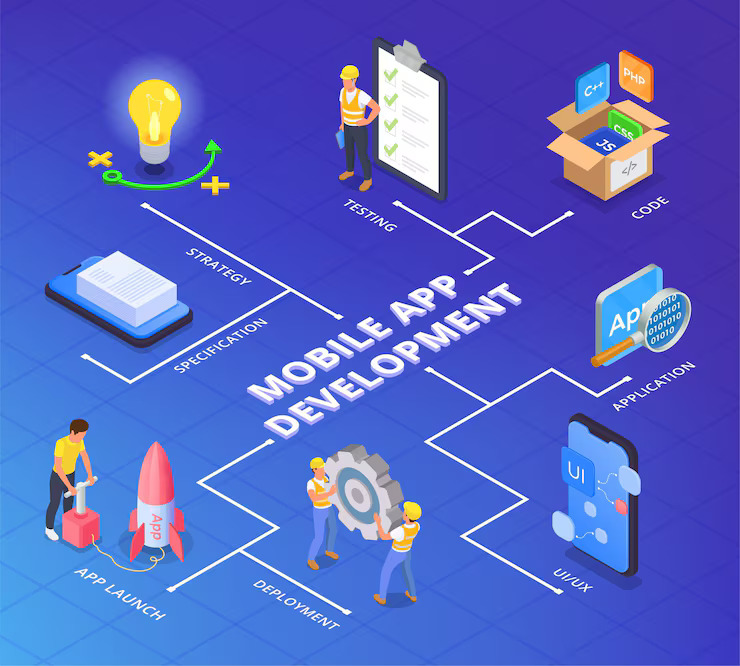
Mobile applications have become an important part of modern businesses. From e-commerce and banking to healthcare and education, companies are using mobile apps to reach customers, improve services, and manage daily operations. However, before developing an application, one important decision is selecting the right development approach.
Native and hybrid app development are two popular approaches used to build mobile applications. Both have different features, advantages, and limitations. Understanding their differences can help businesses select the right technology according to their requirements, budget, and target audience.
In this blog, we will explain native and hybrid app development, their key differences, benefits, and which approach may be suitable for your business.
Native app development refers to building applications specifically for a particular operating system, such as Android or iOS. Developers use platform-specific programming languages and tools to create these applications.
For example, Android applications are commonly developed using Kotlin or Java, while iOS applications use Swift.
Native applications are designed to work closely with the operating system. They can access device features such as cameras, GPS, microphones, contacts, and notifications.
Key Features of Native App Development:
Better performance and responsiveness
Smooth user experience
Access to device-specific features
Strong integration with operating systems
Better support for platform-specific functionality
Native development is often suitable for applications that require advanced features, high performance, and a platform-specific user experience.
Hybrid app development combines elements of web development and native application technology. Developers use web technologies such as HTML, CSS, and JavaScript to build applications that can run on multiple platforms through a shared codebase.
Frameworks such as Ionic and other hybrid development technologies help developers create applications for Android and iOS without building two completely separate applications.
Businesses often work with a professional hybrid app development company to create applications that can reach users across multiple platforms while managing development time and costs.
Key Features of Hybrid App Development:
Shared codebase for multiple platforms
Reduced development time
Cost-effective development approach
Easier maintenance and updates
Support for commonly used mobile features
Hybrid development can be a practical option for startups and businesses that want to launch applications on multiple platforms with a limited budget.
Although both approaches are used to develop mobile applications, they differ in several ways.
Cost is one of the most important factors when selecting an app development approach.
Native app development generally requires separate development efforts for Android and iOS. This can increase the overall project budget, especially when businesses want to launch on both platforms.
Hybrid development uses a shared codebase, which can reduce development efforts and costs.
Native applications are generally known for their high performance because they are developed specifically for the target operating system.
Hybrid applications may require additional processing through a framework or web layer. Their performance can vary depending on the framework, application complexity, and device capabilities.
For applications involving complex animations, graphics, or intensive processing, native development may be a better option.
Native applications can follow the design guidelines of Android and iOS separately. This helps create a familiar experience for users on each platform.
Hybrid applications can maintain a consistent design across platforms. However, developers may need additional customisation to match platform-specific design expectations.
Native development generally takes more time when separate applications are built for Android and iOS.
Hybrid development can save time because developers can reuse much of the same code across platforms. This makes it useful for businesses that want to launch their applications faster.
Maintaining native applications may require separate updates for different operating systems.
Hybrid applications can be easier to maintain because developers can update shared code and apply changes across platforms. However, platform-specific adjustments may still be necessary.
Native applications provide direct access to operating system features and device hardware.
Hybrid applications can also access features such as GPS, cameras, and notifications through plugins and frameworks. However, certain advanced device features may require additional development work.
Comparison Factor | Native App Development | Hybrid App Development |
|---|---|---|
Development Approach | Platform-specific | Shared codebase |
Programming Languages | Kotlin, Java, Swift | HTML, CSS, JavaScript |
Development Cost | Generally higher | Generally lower |
Performance | Usually excellent | Depends on framework |
User Experience | Platform-specific | Consistent across platforms |
Development Time | Usually longer | Usually shorter |
Maintenance | Separate platform updates | Shared code updates |
Device Access | Direct access | Plugin or framework-based |
Native app development offers several benefits for businesses that need advanced mobile applications.
1. Better Performance: Native applications are optimised for their respective operating systems, which can provide faster and smoother performance.
2. Improved User Experience: Developers can create interfaces that follow Android and iOS design standards.
3. Better Hardware Integration: Native apps can access device features more directly, making them suitable for applications with advanced functionality.
4. Platform-Specific Optimisation: Developers can customise applications according to the requirements of individual operating systems.
Hybrid development also offers several benefits, particularly for businesses that want to launch applications on multiple platforms.
1. Lower Development Cost: Reusing code across platforms can reduce development efforts and expenses.
2. Faster Development: A shared codebase can help developers build and launch applications in less time.
3. Easier Maintenance: Many updates can be managed through a common codebase.
4. Wider Audience Reach: Businesses can target Android and iOS users through a single development project.
The right choice depends on the purpose of your application, target audience, budget, and technical requirements.
Native development may be suitable for:
Gaming applications with advanced graphics
Banking and financial applications
Apps requiring complex device integration
Applications that need high performance
Projects with platform-specific requirements
Hybrid development may be suitable for:
Business applications
E-commerce platforms
Content-based applications
Startup MVPs
Applications with standard features across Android and iOS
Before making a decision, businesses should discuss their project requirements with experienced developers. A reliable development team can help identify the most suitable technology for the application.
Choosing the right development partner is just as important as selecting the development technology.
If you are searching for a mobile app development company in Gurgaon, consider the following factors before starting your project:
Technical Experience: Check whether the company has experience in native and hybrid app development.
Portfolio: Review previous applications to understand its development capabilities.
Technology Expertise: Ask about the frameworks, programming languages, and tools used by its developers.
Project Cost: Compare pricing and understand what services are included in the estimated budget.
Maintenance Support: Make sure the company provides support for updates, bug fixes, and future improvements.
A good development partner should understand your business goals and recommend a solution that fits your requirements.
Both native and hybrid app development have their own advantages. Native development is generally suitable for applications that require high performance, advanced functionality, and platform-specific experiences. Hybrid development can be a cost-effective option for businesses that want to launch applications across multiple platforms using a shared codebase.
There is no single approach that works for every project. Businesses should evaluate their budget, application features, development timeline, and future requirements before making a decision.
With proper planning and technical guidance, you can select the right development approach and build a mobile application that provides a good experience to your users.

Social Media Marketing Strategies for Beginners
Mar 14 2023





(0) Comments