
No More Mistakes with Flour Mill Machine Manufacturer
Mar 11 2023
1.png)
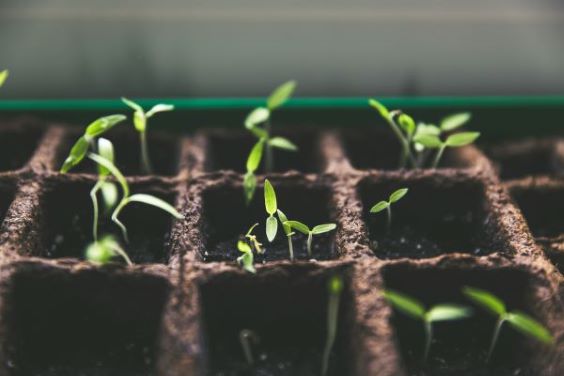
Seaweed fertilizers have been consistently categorized as niche or “alternative” in mainstream agriculture, despite decades of scientific validation and practical success. This labeling has stalled broader adoption and kept many farmers from reaping the real, measurable benefits. It’s time to redefine seaweed-based inputs as core tools in modern, efficient, and sustainable crop production.
The term “alternative” often suggests something unproven or less effective. Seaweed fertilizers, however, have consistently demonstrated agronomic benefits that compete with — and in some cases outperform — traditional synthetic options.
Their misclassification stems from:
Historical dependence on NPK-centric models
Market dominance of synthetic agrochemicals
Underrepresentation in industrial-scale trials
These biases persist despite mounting evidence. Farmers frequently overlook seaweed-based goods in highly automated or high-output systems unless they are subject to severe weather conditions or organic certification criteria. Data, however, challenges this constrained perspective.
According to a paper published in Frontiers in Plant Science, seaweed extracts can boost root biomass by as much as 40%, enhance drought resistance, and lower insect incidence in 32 different crop species. These results are necessary for crop success and are not "alternative."
Seaweed fertilizers contain bioactive molecules like mannitol, betaines, cytokinins, laminarins, and polyphenols. These go far beyond the traditional role of nutrients and actively influence physiological functions.
Hormonal balance that accelerates growth under stress
Osmoregulation to reduce damage from drought or salinity
Signal transduction that enhances plant immune responses
They have also been shown to affect the expression of genes linked to root architecture and stress recovery. During a drought trial in southern Spain, for instance, foliar seaweed spray in tomatoes increased over 600 genes linked to stress. Any synthetic NPK input did not elicit the identical genomic reaction.
It is technically incorrect to categorise seaweed as just a "supplement" due to its functional complexity. In the newly developing field of plant biostimulants, it is a category-defining input.
In countries such as India, Australia, and Italy, seaweed fertilizers have gained significant traction, particularly in horticulture. India alone saw a 19% year-over-year increase in seaweed-based product sales in 2022, according to AgriMarket Index reports. Yet in broadacre agriculture and commodity crops, adoption remains sporadic.
Much of this gap stems from logistical and perceptual issues. Chemical inputs are still viewed as default tools, whereas natural biostimulants are treated as emergency backup or optional extras.
The shift is long overdue for growers who want to update their operations while enhancing crop and soil health. It is now a matter of necessity rather than novelty. For instance, now is the ideal moment to get BioVita seaweed fertiliser if you're experiencing yield stagnation as a result of nitrogen lockup, salinity, or drought. It offers a tried-and-true path to increased resilience, particularly in systems of maize, pepper, and tomatoes that experience cycles of abiotic stress.
Yield improvement between 12% to 23% in field trials
Reduction in chemical fertilizer input by up to 30%
Seaweed helps close the yield gap by improving root efficiency, enhancing chlorophyll function, and reducing abiotic losses.
Unlike traditional inputs, seaweed fertilizers are derived from fast-replenishing marine biomass and processed with minimal environmental disruption. This makes them one of the few crop inputs that are truly renewable in the production cycle.
A key benefit is their ability to reverse soil degradation:
Stimulates beneficial microbial activity in soil
Enhances humus formation and soil porosity
These characteristics align precisely with the principles of regenerative agriculture. Regular seaweed application increased earthworm numbers by 25% and soil organic carbon by 14% over three seasons in a trial conducted in vineyards in central California. These modifications lead to improved water retention and reduced reliance on artificial amendments.
Ecological studies are also becoming increasingly supportive. A study published in Nature Sustainability suggests that seaweed and other marine-derived biostimulants may be important in lowering phosphate dependence and nitrogen runoff in high-intensity farming areas.
“Farming that restores instead of depletes — that’s the future. Seaweed is one of the few tools that helps us get there without sacrificing output.”
Contrary to popular belief, major growers are already integrating seaweed into their programs, just without broadcasting it. In crops like almond, avocado, and citrus, large-scale producers use seaweed to complement fertigation regimes and mitigate bloom drop during temperature extremes.
In the Netherlands, greenhouse growers use seaweed foliar sprays to reduce blossom end rot in tomatoes by stabilizing calcium uptake. The results: up to 18% less fruit deformation and longer post-harvest shelf life.
These success stories remain underreported because seaweed is often hidden within broader “sustainable input” portfolios. But the results are traceable, measurable, and repeatable.
To explore similar strategies, check the biostimulant protocols used in precision greenhouse systems. They demonstrate how seaweed extracts are utilized in conjunction with microbial and mineral-based tools to achieve optimal outcomes.
Despite strong evidence, some barriers continue to restrict growth in seaweed fertilizer adoption:
Cost perception: While price per liter may be higher, cost per hectare is often lower due to lower application rates.
Storage myths: Properly processed seaweed products are shelf-stable for over a year.
Efficacy doubts: Many expect NPK-like effects. Seaweed works differently — it enhances, rather than replaces, nutrient dynamics.
Plots for education and demonstration are essential to combating this. Agronomy schools and seaweed producers are increasingly working together to provide field advisors with practical efficacy data.
ECOFI's product efficacy tracker, which classifies biostimulant performance across crops, geographies, and input types, is a valuable database for comparison. Farmers can use it to verify statements using data from the field.
Modern challenges in agriculture include erratic rainfall, extreme temperatures, soil exhaustion, and input inflation. Seaweed-based fertilizers offer multi-dimensional solutions:
Improve plant metabolism without altering genetic traits
Enhance tolerance to real-world environmental variables
Build soil biology instead of just feeding plants
Seaweed provides biological flexibility to strict input regimes, whether it is used to grow maize during dry spells or cotton in saline soils. Large agri-corporations are starting to invest in biostimulant research and algae farming operations as a result.
It's a strategic change rather than a fad. Seaweed products will be viewed as essential components of biological farming systems going ahead, rather than as substitutes.
Can seaweed fertilizer replace synthetic fertilizers?
It can’t fully replace NPK in high-demand crops but can reduce dependency by improving uptake efficiency and soil nutrient availability.
How quickly can results be seen?
Growth promotion is usually visible within 10–14 days after application. Stress tolerance effects, like reduced wilt or better root vigor, appear within the same cycle.
Is seaweed fertilizer suitable for all climates?
Yes. It is used successfully in arid zones, tropical systems, and cold-climate greenhouses due to its universal compatibility with plants.
How is seaweed harvested without damaging ecosystems?
Ethical brands harvest sustainably using cut-and-regrow methods and follow marine conservation protocols. Always verify sourcing standards.
Farming economics and sustainability criteria are altered when seaweed fertilisers are used as primary tools rather than as optional ones. Profits are maintained or even increased as soil biology recovers, yield resilience increases, and dependency on synthetic inputs decreases.
Seaweed and other biologicals will no longer be found on the shelf next to chemical choices; instead, they will be incorporated into crop models, irrigation plans, and nutrition programs.
The question is not whether seaweed should be included at the table, but rather how soon we can make it a priority as farmers, agronomists, and legislators reevaluate the instruments of food production.

Social Media Marketing Strategies for Beginners
Mar 14 2023

_(1)_(2).png)

.jpg)

(0) Comments