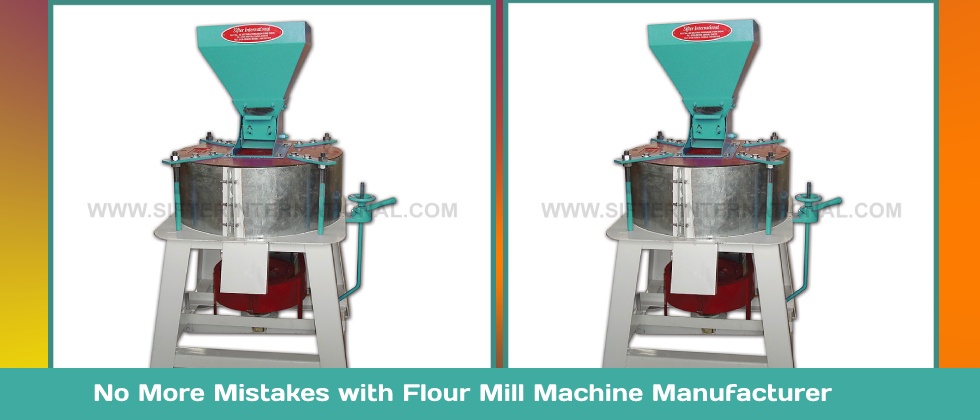
No More Mistakes with Flour Mill Machine Manufacturer
Mar 11 2023
1.png)
.jpg)
Over the years, finance teams have moved through a steady progression of automation; from cleaning up spreadsheets to implementing ERPs, from shared service centers to RPA bots, and now to AI-driven intelligence. Each wave has solved a part of the operational burden, but it has also raised the bar for what “efficient finance” truly means. What started as basic digitization has evolved into complex, interconnected processes that touch procurement, operations, sales, and compliance.
As processes scale, one area continues to expose the limits of traditional automation: invoice exceptions. Even the most modern finance stacks struggle when supplier formats vary, data arrives fragmented, or matching rules hit edge cases; setting the stage for the challenges we’ll explore next.
Invoice exceptions arise from everyday situations like, a GRN posted after the invoice arrives, a PO revision not updated in the system, a unit-of-measure mismatch between procurement and the vendor, or a rounding difference in tax calculations. None of these reflects a real dispute, but they still stop the invoice because the system can’t distinguish between an actual error and incomplete data.

When invoices fail to match with POs or GRNs, they lead to delayed payments, shift working capital forecasts, and errors in month-end closing. This is because the system only sees what’s posted, not what actually happened operationally.
Once an invoice is blocked at IR (Invoice Receipt), the AP team has to look at the PO, the goods receipt, vendor history, tolerance rules, contract data, and the ERP entries to understand the root cause. This is where time is lost. The traditional workflow automation may route the exception, but the system cannot interpret why it happened.
Even with OCR, e-invoicing, and invoice workflows, exceptions remain high, because the system only checks if numbers match. It doesn’t know the story behind them.
Traditional invoice matching methods check,
This is why most organizations see 20–40% of invoices landing in exceptions, even when most are not true discrepancies.
AI improves exception handling by bringing together the parts that traditional systems keep separate. AI-powered AP automation for invoice exception handling integrates your enterprise ecosystem to bring in more context and relatability.
Invoices arrive in multiple formats, such as PDFs, scans, email attachments, and system-generated files.
Agentic AI transforms exception handling by moving from passive alerts to active resolution. Instead of waiting for humans to step in, agents investigate mismatches, validate data across systems, identify root causes, and recommend or execute fixes, reducing manual effort and clearing backlogs faster.
Instead of stopping at “numbers don’t match,” AI checks the related context — PO changes, GR updates, tolerance rules, and vendor history. Traditional automation runs on predefined rules, Agentic goes further. It analyzes the exception, traces the source across POs, GRNs, contracts, and supplier data, and determines the most likely resolution. It can correct data, request clarifications, or escalate only what truly requires judgment, dramatically reducing cycle time.
If a GRN was posted later or a PO was revised, AI knows and adjusts the match accordingly.
This reduces exceptions that occur because the system lacks context.
Suppliers frequently invoice in cartons, bundles, litres, or alternate units, while the PO may be raised in pieces or kilograms. Instead of pushing this to AP for manual conversion, intelligent normalization models learn category-wise conversion patterns and apply the correct unit translation automatically. This eliminates a significant portion of low-value mismatches caused solely by UoM differences.
Invoices can land in any channel mail, portals, or automated feeds, resulting in duplicate submissions. Instead of just matching the contents, it does a preemptive check on the content, metadata and historical patterns. This acts as a control layer, reducing financial risk and downstream reconciliation effort.
Price and tax discrepancies often arise from updated contracts, new tax rules, or regional differences. A context-driven reconciliation engine checks contract repositories, historical pricing, tax configurations, and tolerance rules to determine whether the variance is valid. It resolves straightforward cases automatically and routes only meaningful deviations to AP, shortening the resolution cycle dramatically.
Partial deliveries and partial invoices are a standard part of complex supply chains, but traditional matching logic struggles with them. A shipment-aware system correlates GRNs, delivery logs, and historical patterns to accurately reconcile invoices with the correct receipt lines. This ensures accurate matching even when deliveries are staggered.
Invoices frequently arrive without delivery proofs, updated POs, or mandatory attachments. Rather than requiring AP to chase teams or vendors, the system sends structured requests, monitors responses, attaches the received documents, and resumes processing automatically. This reduces delays caused by administrative follow-ups.
The benefit is not just faster processing. The real impact is a more predictable AP cycle and a healthier finance engine.
Exception handling stops being a fire drill. Invoices move cleanly through the system, cash flow stays predictable, and month-end stops feeling like a rescue mission. AP teams reclaim hours once lost to chasing GRNs, fixing data, and emailing vendors. Instead of growing headcount with volume, the business grows throughput with intelligence. Suppliers trust the process, disputes drop, and finance finally operates with the clarity and control modern teams need to move faster, make better decisions, and scale without chaos.
For companies that want to scale AI-powered automation further, AI assistants can help with:
But everything starts with what we covered: AI-powered automation that adds context, reduces manual work, and brings more consistency to AP operations.
If you’re exploring ways to reduce exception load and build a more predictable AP process, you can learn more about Saxon’s Finance Automation solutions here.

Social Media Marketing Strategies for Beginners
Mar 14 2023

_(1)_(2).png)

.jpg)

(0) Comments