
No More Mistakes with Flour Mill Machine Manufacturer
Mar 11 2023
1.png)
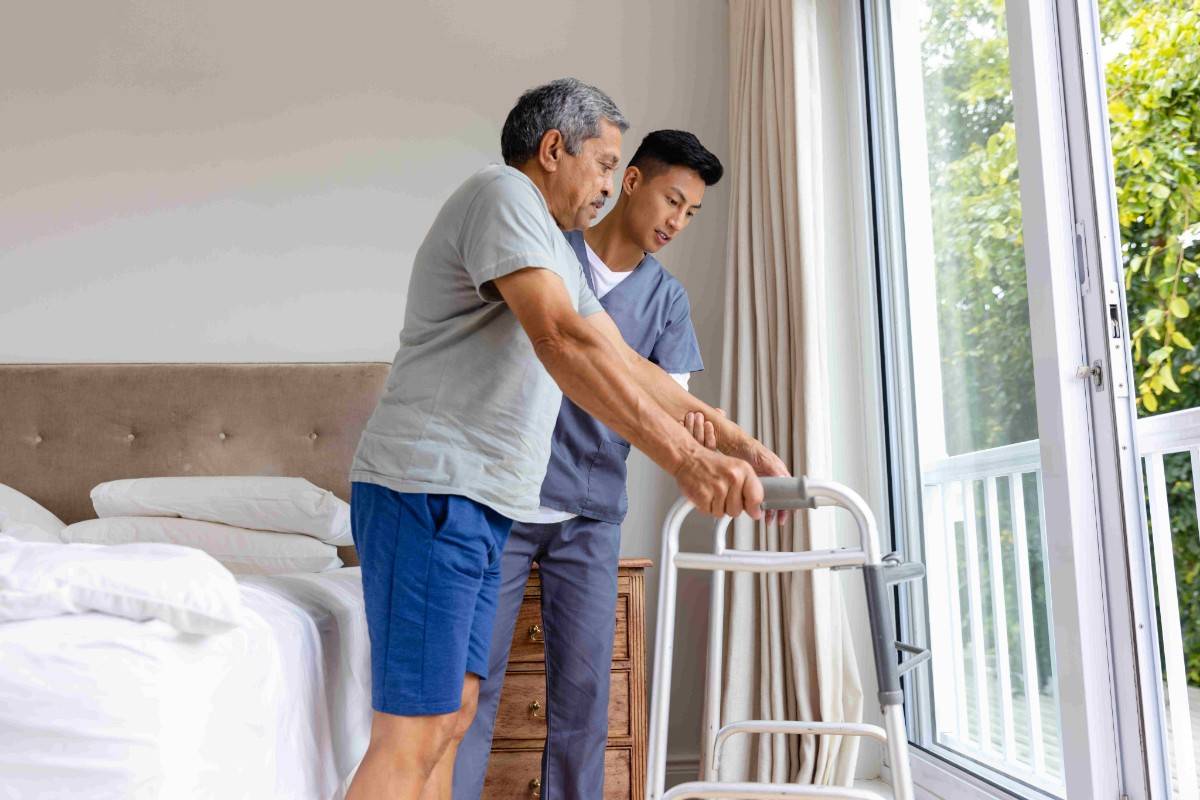
When caring for an aging loved one or someone recovering from an illness or injury, it’s common to come across two terms—personal care services and home health care. Though they may seem similar, these services differ in purpose, approach, and the professionals involved. Understanding this difference is important for families in New Jersey who are trying to choose the right support system for their loved ones. From managing daily activities to receiving medical assistance at home, each service type plays a unique role in ensuring comfort and safety. Let’s explore the key differences and how to decide what care is needed.
Personal care services in NJ refer to non-medical assistance that helps individuals manage their daily living activities. This kind of care is ideal for elderly people or those with disabilities who want to maintain independence but need support with routine tasks. These services typically include help with bathing, grooming, dressing, toileting, mobility assistance, light housekeeping, meal preparation, and reminders to take medications. Caregivers also provide companionship, which can play a huge role in reducing feelings of loneliness. These services are carried out by trained aides or caregivers but not by medical professionals. The goal here is to support the person’s day-to-day lifestyle and help them age comfortably in a familiar environment.
In contrast, home health care is focused on medical support and recovery. It is usually prescribed by a doctor when a patient needs skilled care at home. Services can include wound care, injections, IV therapy, monitoring chronic conditions, physical or occupational therapy, and post-surgical recovery. These tasks are performed by licensed professionals such as registered nurses, physical therapists, and medical aides. Home health care is often temporary and continues until the patient reaches a specific health goal. For example, someone recovering from a surgery or stroke may need home health care for a few weeks until they regain their strength or mobility.
The most significant difference lies in the type of care offered. Personal care services in NJ help with daily non-medical needs, while home health care is clinical and focuses on medical treatment. Another difference is the type of caregiver involved—personal care is delivered by aides who are trained in assisting with physical tasks but not licensed to offer medical care, while home health care must be administered by certified medical staff. Also, home health care usually requires a doctor’s prescription, whereas personal care does not. Insurance coverage also varies; personal care is often covered by long-term care insurance or paid privately, whereas home health care can be covered under Medicare or Medicaid if prescribed.
You should consider personal care services in NJ when your loved one needs help with daily tasks but does not have medical issues that require a nurse or therapist. For example, if an older adult is facing challenges with bathing, cooking, or getting dressed, and also needs companionship, personal care is the right fit. These services are more flexible and can be tailored to fit the person’s schedule and comfort. They can be provided for a few hours a day or around the clock depending on the need. Additionally, the home care companionship in NJ offered as part of personal care goes a long way in promoting emotional and mental well-being, especially for seniors living alone.
Home health care becomes essential when there is a medical need that must be addressed at home. If your loved one is discharged from the hospital but still needs wound care, injections, medication monitoring, or therapy sessions, then home health care is the appropriate option. It is often prescribed after surgeries or during recovery from serious illness or injury. Patients with chronic conditions such as heart disease or diabetes may also require ongoing medical care at home. Since these services are clinical in nature, they are strictly monitored and follow a care plan created by a healthcare provider.
Often, families find that their loved ones need both types of support. The good news is that personal care and home health care can work together effectively. For instance, a person recovering from surgery may need a nurse for wound care and therapy, but also need help bathing, cooking, or moving around the house. While home health care takes care of the clinical side, personal care services in NJ can handle the day-to-day assistance. Many care agencies in New Jersey provide both services or work in collaboration to offer a complete care solution that ensures recovery as well as daily comfort.
Beyond physical support, companionship plays a critical role in overall well-being. Seniors often struggle with isolation, especially when family members live far away or are busy with work. Through home care companionship in NJ, caregivers build genuine relationships with those they care for. Whether it's talking over tea, going for a walk, or helping with hobbies, this companionship brings emotional security and happiness to the lives of seniors. It also promotes mental stimulation, which is essential in preventing conditions like depression or cognitive decline. A kind, understanding presence in the house can make a big difference in someone's emotional health.
When hiring either personal or medical caregivers, families should check for proper licensing and compliance with New Jersey state regulations. Agencies providing personal care services in NJ must ensure their staff is trained, background-checked, and supervised. Similarly, home health care providers must have proper certifications and follow medical protocols. Before finalizing a care provider, it is wise to ask for references, service plans, and emergency procedures. Reliable care begins with a trustworthy agency and well-qualified staff who can deliver the right support at the right time.
To choose between personal care and home health care, consider the specific needs of your loved one. Are they medically stable but need help managing everyday tasks? If so, personal care is sufficient. Do they have wounds that need dressing or need therapy to regain movement? Then home health care is the answer. In many cases, a mix of both services provides the best results. Families should consult with their healthcare providers or care coordinators to assess the situation and determine the most suitable care plan.
In summary, personal care services in NJ and home health care serve different but equally valuable roles in supporting individuals at home. While personal care focuses on daily assistance and emotional companionship, home health care is centered around medical recovery and clinical needs. Understanding the difference between the two helps families make informed decisions that prioritize their loved one’s safety, health, and happiness. In New Jersey, access to both services allows for flexible, compassionate, and effective care—whether your goal is maintaining independence, recovering after surgery, or simply ensuring a better quality of life at home.

Social Media Marketing Strategies for Beginners
Mar 14 2023

_(1)_(2).png)

.jpg)

(0) Comments