
No More Mistakes with Flour Mill Machine Manufacturer
Mar 11 2023

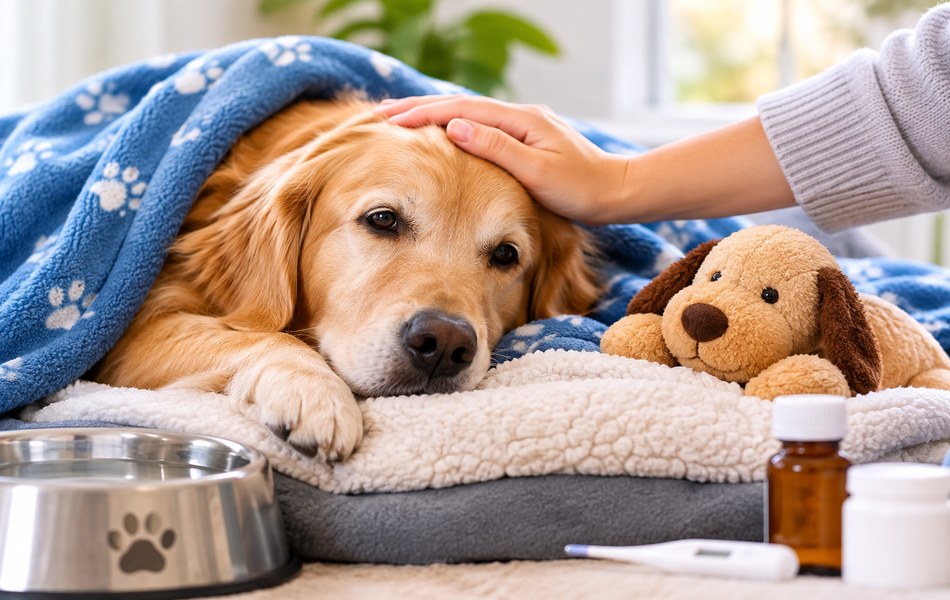
After your dog gets sick, they may need plenty of care before they get back to normal. Getting sick is only part of the process, and as symptoms improve, you need to keep up with them. They may feel tired, have a smaller appetite, or need more sleep than usual.
Supporting your dog during this stage can make the recovery process more comfortable. It may help you notice changes that may need veterinary attention. Create a quiet place to rest, follow medication instructions, and return to normal activities. Taking small steps can make a big difference.
The most important thing is to be patient when managing dog recovery from illness. Every dog recovers at a different pace. Focus on your dog's needs rather than expecting them to return to their usual routine immediately.
Start by following your veterinarian's instructions, as it is the starting point of recovery. You will need medication, diet plans, and some restricted activity. Moreover, make sure to attend follow-up appointments.
Follow the dosage your veterinarian prescribed. Do not give them any extra medication to make them feel better. Try to keep up with the schedule of the medication. A simple written schedule or phone reminder can help, especially when several medications are involved.
If your dog refuses medication or develops an unusual reaction after taking it, contact your veterinarian for advice.
You may need to revisit your vet to follow up to make sure your dog is recovering. Get the important tests, imaging, and other checks depending on the condition. These appointments can help determine whether they're ready to return to their normal routine.
As a dog owner, do not run ahead by stating they're fine!
A sick or recovering dog often benefits from having a calm place where they can rest without being disturbed.
Set up a comfortable bed away from loud noises and heavy household activity. Try to keep other pets or overly enthusiastic children from constantly disturbing your dog. Your dog may sleep more than usual during recovery. Allow them to rest whenever they need to.
Food and water should be easy to access if your dog is weak or has limited movement.
If your veterinarian has recommended restricted activity, you may also want to make bathroom trips as easy and controlled as possible. Keeping your dog's bedding clean and dry can also make the recovery space more comfortable.
Rest is an important part of recovery. A dog that seems eager to play one day may become tired quickly. So, avoid assuming that a short improvement means they are completely recovered.
Do not worry if your dog spends more time sleeping than usual after an illness. Their body may need additional rest while recovering. Keep their environment calm and allow them to sleep without unnecessary interruptions.
Food and water play an important role in helping your dog regain strength. However, their nutritional needs may be different while they are recovering.
Follow any dietary recommendations from your veterinarian. In some cases, your dog may need a temporary diet because it is easier to digest or is good for their condition.
If your dog has a reduced appetite, smaller meals more frequently may be easier to manage, depending on your veterinarian's advice. Avoid making several dietary changes at once. Sudden changes can cause additional stomach upset.
Fresh and clean water should generally be available unless your veterinarian has given different instructions. Keep the water bowl near your dog so they can reach comfortably. Monitor their drinking habits as well. A noticeable change in water intake can be useful information for your veterinarian.
It can be tempting to offer your dog their favorite treats when they are recovering, but rich foods or sudden dietary changes may upset their stomach.
Once your dog's regular diet is appropriate again, return to it gradually if your veterinarian recommends doing so.
Recovery often involves more than medication. Your dog may need wound care, special feeding instructions, restricted movement, or other daily support.
Keep all medications organized and follow the prescribed schedule. If more than one person in the household is caring for the dog Make sure everyone knows what has already been given.
This can help prevent missed or repeated doses.
Pay attention to how your dog behaves after receiving medication. If you notice a concerning reaction, worsening symptoms, or anything that seems different from what your veterinarian explained, contact the veterinary clinic.
Do not try to treat a suspected medication reaction yourself.
Getting your dog moving again is important, but the timing matters.
When your veterinarian says activity is appropriate, begin with gentle movement rather than immediately returning to long walks or active play. For some dogs, this may mean short, controlled walks. For others, the recovery plan may require continued rest for longer.
Watch your dog during and after activity. Excessive tiredness, discomfort, limping, or a sudden behavior change can indicate that they may be doing too much.
Follow your veterinarian's recommendations about when and how quickly to increase activity.
One of the most useful things you can do during dog recovery from illness is pay attention to changes.
Notice whether your dog is eating and drinking normally for their current stage of recovery. A gradual return of appetite can be encouraging, while a sudden decline may need attention.
You do not need to monitor every bite or sip, but knowing your dog's usual habits can help you recognize meaningful changes.
Your dog may not immediately behave like their usual self. However, you should generally look for gradual improvement over time.
Pay attention to unusual withdrawal, restlessness, weakness, confusion, or other changes in behavior.
If your dog has a wound or incision, follow your veterinarian's instructions for checking and caring for it.
Also pay attention to breathing, bathroom habits, mobility, and signs of pain or discomfort. When something seems different from the expected recovery process, it is better to ask your veterinarian than to guess.
Knowing what not to do can be just as important as knowing what to do.
A dog that suddenly becomes playful may seem ready for a full day of activity. However, recovery can take longer than visible symptoms suggest.
Give your dog time to rebuild strength instead of immediately returning to their previous level of exercise.
Do not change medication, dosage, diet, or activity restrictions without speaking to your veterinarian first.
Even if your dog appears better, their treatment plan may still need to be completed.
Never give your dog human medication unless a veterinarian has specifically instructed you to do so. Some medications that are commonly used by people can be dangerous for dogs.
A small change in appetite, energy, bathroom habits, or behavior may be worth mentioning to your veterinarian, particularly if it continues or gets worse.
A consistent routine can make recovery easier for both you and your dog. When your dog knows when to expect meals, medication, rest, and bathroom breaks, the day can feel more predictable.
Try to give meals and medication around the same times each day. This makes it easier to remember doses and helps you notice changes in your dog's appetite. If there are multiple medications, you can keep a written record. This can also be helpful if another family member is helping with care.
Rather than waiting for your dog to become exhausted, schedule some quiet times during the day. Allow them to sleep without continual interaction, especially after eating or following approved light exercise. Establishing a consistent routine of rest and activity can help stop your dog from overexerting themselves when they are recovering.
Spend a few minutes each day checking how your dog is doing. You can note:
Appetite and water intake
Energy and activity
Bathroom habits
Medication given
You do not need a complicated tracking system. A few simple notes can help you recognize whether your dog is gradually improving and give your veterinarian useful information if concerns arise.
Recovery does not mean your dog needs to be completely isolated. Gentle affection, quiet companionship, and calm interaction can help them feel secure.
Let your dog decide how much interaction they want. If they seem tired or want to sleep, give them space to rest.
Helping your dog recover from an illness is often about consistency rather than doing something complicated. A comfortable place to rest, proper nutrition and hydration, correctly given medication, limited activity when needed, and regular monitoring can all support the recovery process.
Most importantly, give your dog time. They may not regain their usual energy immediately, and that is okay. Follow guidance, pay attention to changes, and allow your dog to gradually rebuild their strength.
With patient care and the right support, you can make the recovery period safer, calmer, and more comfortable for your companion.

Social Media Marketing Strategies for Beginners
Mar 14 2023





(0) Comments