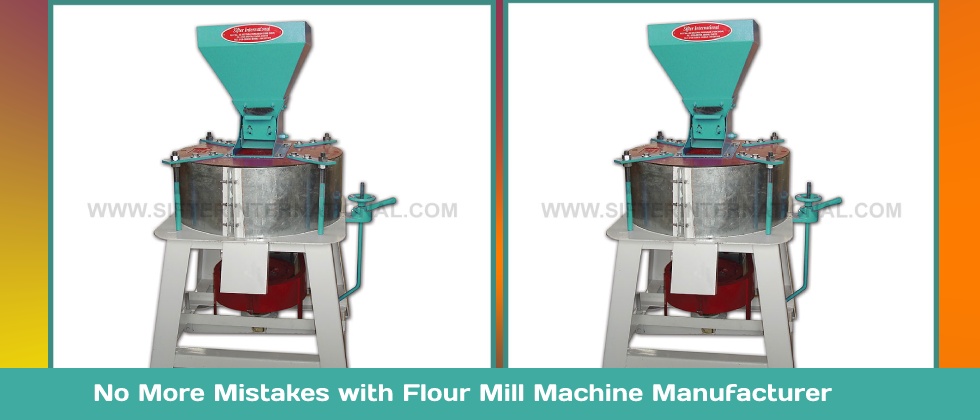
No More Mistakes with Flour Mill Machine Manufacturer
Mar 11 2023


A combine harvester is agricultural machinery designed to perform three major operations: reaping, threshing, and winnowing. It cuts mature crops, separates grains from stalks, and removes unwanted materials. This integrated process helps farmers complete harvesting activities with less manual effort.
Combine harvesters are commonly used for crops such as wheat, rice, maize, barley, and other grains. Different models are designed to handle specific crop varieties and field conditions.
The cost of a combine harvester depends on several technical and commercial factors. Understanding these details helps farmers compare available models.
1. Engine Performance
Engine power influences the machine's ability to operate under different field conditions. Higher-capacity machines may be suitable for larger agricultural operations.
2. Harvesting Capacity
The machine's working capacity determines how much crop it can process within a particular period. Farmers should consider their land area and harvesting schedule.
3. Cutting Width
The harvesting header determines the width of the crop-cutting area. A suitable header can improve field coverage and operational efficiency.
4. Brand and Model
Different manufacturers provide machines with varying specifications, components, and operating features. These differences influence the overall purchasing cost.
5. Technology and Features
Grain cleaning systems, operator controls, grain storage capacity, and other technical features can affect machine selection and pricing.
Farmers can compare different harvesting machines according to their agricultural requirements. The Dasmesh combine harvester is one option that attracts attention among farmers researching grain harvesting equipment.
The Dasmesh 9100 harvester is another model-related search among agricultural machinery buyers. When evaluating this equipment, farmers should examine engine specifications, harvesting capacity, crop compatibility, operational performance, and service support.
Comparing different models based on actual field requirements helps identify suitable machinery for particular farming conditions.
There are different configurations available for agricultural harvesting operations.
Self-Propelled Combine Harvester: Includes an integrated engine and operating system for independent field movement.
Tractor-Mounted Combine Harvester: Works with a compatible tractor and can suit specific agricultural applications.
Track-Type Combine Harvester: Uses tracks to support movement in certain challenging or wet-field conditions.
Each configuration has different operating requirements, so farmers should evaluate field conditions before selecting a machine.
Finding suitable harvesting machinery involves more than comparing the combine harvester price. Farmers should examine several practical aspects before completing a purchase.
Check the machine's compatibility with the crops grown on the farm.
Compare engine capacity and harvesting performance.
Review fuel consumption and maintenance requirements.
Examine grain cleaning and separation systems.
Confirm spare parts availability and servicing support.
Understand warranty coverage and operator requirements.
Evaluate the machine's suitability for local soil conditions.
These considerations help buyers understand the long-term requirements of agricultural machinery.
Indian farmers cultivate different crops across diverse geographical regions. Harvesting requirements vary according to crop types, field sizes, and seasonal conditions. Combine harvesters help manage these activities by integrating multiple operations into one machine.
Mechanised harvesting can reduce dependence on manual labour and help farmers complete important fieldwork within suitable seasonal periods. Proper machine selection also supports organised grain collection and post-harvest handling.
The combine harvester price depends on engine performance, harvesting capacity, brand, technology, and machine configuration. Farmers should compare available models carefully while considering crop compatibility, operating expenses, maintenance facilities, and technical support. Selecting suitable harvesting equipment can simplify seasonal agricultural operations and support efficient farm management.

Social Media Marketing Strategies for Beginners
Mar 14 2023





(0) Comments