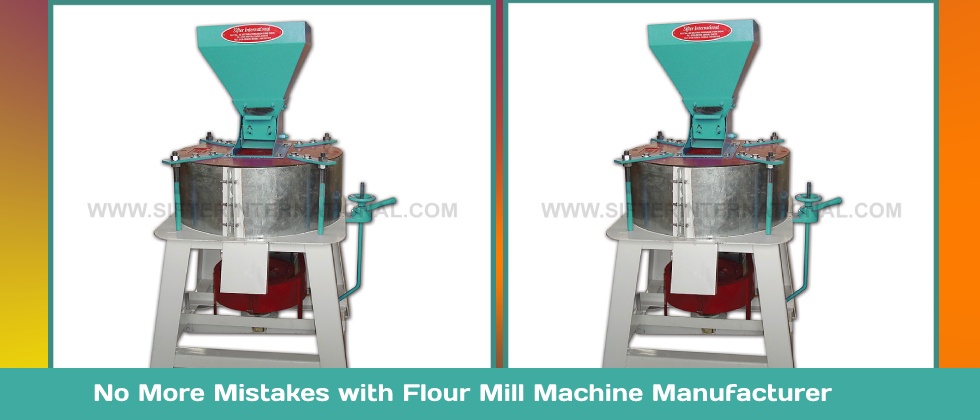
No More Mistakes with Flour Mill Machine Manufacturer
Mar 11 2023
1.png)
_(1).jpg)
Selecting the right heavy duty dump trailer requires more than just estimating how much material you plan to move. It’s about understanding the balance between size, weight rating, towing capacity, and the specific type of work the trailer will perform. The right choice impacts efficiency, safety, and long-term durability—factors that can make a significant difference in productivity and cost management.
This guide explores how to evaluate dump trailer size and capacity, how load types influence selection, and what practical features define the most effective trailer for your hauling operations.
Dump trailers typically range from 8 to 20 feet in length, with width and sidewall height determining overall volume. Smaller trailers (8–10 feet) are ideal for light-duty use such as landscaping or small construction projects, while mid-size trailers (12–14 feet) handle mixed jobs and offer a strong balance between volume and maneuverability. Larger trailers (16–20 feet) serve heavy-duty and commercial hauling applications, where maximum payload capacity is a priority.
Sidewall height is also critical. Higher sides increase cubic volume—perfect for light materials like mulch or brush—whereas lower sides are better for dense materials like gravel or asphalt. A balanced configuration prevents overloading and improves stability during transport.
The trailer’s length affects how evenly the load is distributed across the axles. Longer trailers spread weight more efficiently but require a more powerful tow vehicle and additional space for turning. Shorter trailers concentrate weight closer to the hitch, which can impact balance if not loaded properly. Matching trailer length to the intended job size and available equipment prevents strain and maintains consistent towing control.
The Gross Vehicle Weight Rating (GVWR) represents the maximum safe weight of the trailer and its cargo combined. Exceeding this limit risks mechanical stress, suspension wear, and unsafe braking. Heavy-duty dump trailers often carry GVWR ratings between 10,000 and 25,000 pounds, depending on axle configuration and build quality.
To determine the right capacity, calculate the average weight of materials being transported:
Light materials: 2,000–3,000 lbs per full load (mulch, wood chips, brush)
Medium materials: 5,000–7,000 lbs (sand, soil, crushed stone)
Heavy materials: 8,000–12,000 lbs (concrete, rock, asphalt)
Choosing a trailer with a GVWR slightly above your heaviest anticipated load prevents excessive strain on the structure and hydraulic systems.
Axles are a central component of trailer capacity. Tandem axles support balanced weight distribution for mid-range loads, while triple axles handle higher capacities and offer smoother towing under heavy stress. Suspension systems also differ: traditional spring suspensions deliver reliable load-bearing capability, while torsion axles provide independent wheel movement for smoother rides and reduced vibration over uneven terrain.
Dump trailers are measured by cubic yards, representing the total volume of the trailer bed. A standard 12-foot trailer with 24-inch sides holds around 5 cubic yards, while a 16-foot trailer with 48-inch sides can hold 12 cubic yards.
However, capacity by volume must always be cross-checked against material density. One cubic yard of gravel weighs much more than one cubic yard of mulch. Overfilling based on volume without accounting for weight can lead to mechanical damage or unsafe handling.
Trailer materials also influence hauling performance. Steel beds are strong and abrasion-resistant, ideal for hauling rocks or demolition debris. Aluminum trailers are lighter and corrosion-resistant, better suited for lighter loads or agricultural materials. Selecting the proper material type prevents wear and supports long-term efficiency.
A dump trailer’s performance depends on how well it aligns with the tow vehicle’s capabilities. Always verify the truck’s towing and tongue weight ratings against the trailer’s GVWR. A mismatch can cause excessive engine load, overheating, or loss of braking control.
Electric brakes are standard on most heavy-duty trailers, while larger units often use electric-over-hydraulic systems for improved control and stability when carrying dense or heavy materials.
Proper load distribution ensures safer towing. Roughly 60% of the total weight should rest toward the front half of the trailer to maintain stable tongue weight. Balanced loading improves traction, reduces tire wear, and prevents swaying during travel.
Hydraulic systems define how efficiently the trailer dumps its load. Scissor-lift mechanisms provide high lifting force, ideal for dense or sticky materials, while single-ram systems offer lighter overall trailer weight for moderate loads. The dump angle, typically between 40 and 50 degrees, determines how completely materials clear from the bed.
Rear gate configurations affect dumping performance. Barn-style gates allow full unloading, spreader gates control material flow for road or landscaping work, and combination gates provide flexibility for multiple applications. Some models also include ramps or side access for loading small machinery, improving versatility for mixed-use operations.
Q1: How can I determine the right dump trailer size for my work needs?
Evaluate the heaviest materials you transport and calculate both weight and volume. Match that against the trailer’s GVWR and your truck’s towing capacity to find the safest and most efficient configuration.
Q2: What’s the benefit of a triple-axle setup over a tandem axle?
Triple-axle trailers distribute weight more evenly and offer better performance under heavier loads, making them ideal for commercial or industrial projects. Tandem axles are sufficient for moderate loads and general use.
Q3: How does sidewall height impact trailer performance?
Higher sidewalls allow for greater cubic volume, beneficial for light materials, but can increase wind resistance and affect center of gravity. Lower sidewalls maintain stability and control for dense, heavy loads.
Q4: Can a single trailer be used for multiple material types?
Yes, as long as the combined weight stays within the rated capacity. For abrasive or corrosive materials, protective liners or steel construction extend the trailer’s life.
Q5: How often should I inspect a dump trailer’s hydraulic system?
Inspect the hydraulic cylinder, hoses, and fluid levels regularly—ideally every few months or after heavy use. Consistent checks prevent leaks, lifting issues, and unplanned downtime.
Selecting the ideal heavy-duty dump trailer involves understanding far more than dimensions or price. It’s about harmonizing weight rating, material density, hydraulic strength, and towing compatibility. The right configuration enhances efficiency, improves safety, and preserves your equipment’s longevity. A properly chosen trailer not only carries the load—it carries the confidence that every haul will be stable, efficient, and secure.

Social Media Marketing Strategies for Beginners
Mar 14 2023

_(1)_(2).png)

.jpg)

(0) Comments